


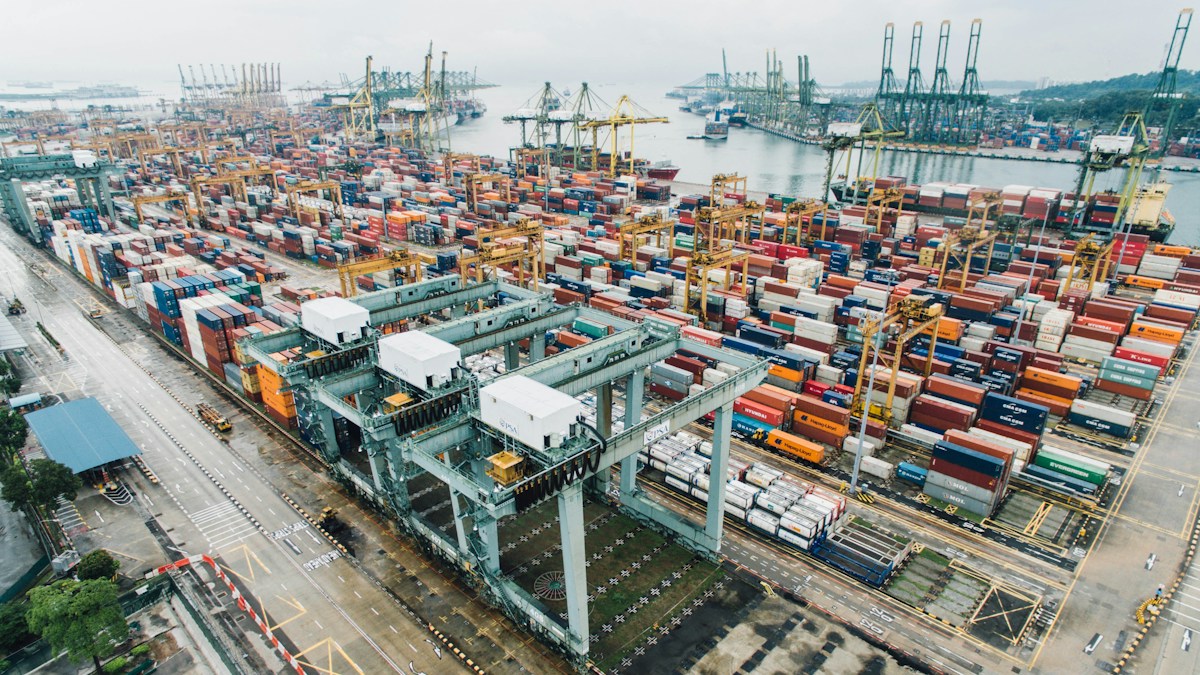
As maritime transport accounts for nearly three percent of global greenhouse gas emissions, the International Maritime Organization (IMO) in London has reached a pivotal juncture in drafting mandatory decarbonization quotas.
The proposed framework mandates that commercial fleets reduce greenhouse gas intensity by 20% by 2030 and 70% by 2040, backed by a universal greenhouse gas levy on traditional bunker fuels. The proceeds would fund green fuel infrastructure in developing nations.
However, the diplomatic debate has split along familiar north-south fault lines. Export-dependent developing nations argue that a universal fuel tax acts as a de facto tariff on distant commodities, while European and Pacific island delegations insist that financial penalties are essential to spur alternative fuel development.
"Decarbonization cannot be achieved by penalizing developing nations while green bunkering infrastructure remains clustered in wealthy ports."— IMO Plenary Session Statement
The Green Bunkering Infrastructure Race
Major international bunkering hubs like Singapore, Rotterdam, and Shanghai are investing billions in cryogenic ammonia storage and green methanol distribution terminals. The winners of this infrastructure race will command global shipping corridors for decades to come.

Inquiries and discussions must maintain diplomatic civility, analytical depth, and factual accuracy.
Sign in with your Google account to contribute to diplomatic discussions
No reader commentary yet
Be the first verified reader to submit your diplomatic dispatch or critique.